


Men's Grooming Tips for Sensitive Skin: A Complete Guide

Table of Contents
Last Updated: October 16, 2026
Preparing Your Skin and Facial Hair Before Shaving
The foundation of a comfortable shave starts before the razor touches your face.
Start with a warm shower or wash your face with warm water.
Use a mild cleanser to remove oil and dirt without stripping moisture from sensitive skin.
Consider pre-shave exfoliation if your skin tolerates it. A soft scrub or exfoliating cloth removes dead skin cells that trap hairs and cause ingrown hairs.
Key prep steps:
Shower with warm water for 3-5 minutes
Use a gentle, fragrance-free cleanser
Pat dry gently with a clean towel
How to Shave Sensitive Skin Men: Step-by-Step Technique
The way you shave matters as much as what you use. Proper technique prevents razor burn, ingrown hairs, and irritation. Most men rush or apply too much pressure, both of which cause problems for sensitive skin.

Here's how to shave sensitive skin men the right way:
Apply lather generously. Use a shaving brush to work lather into your beard. The brush lifts hairs away from the skin and hydrates them. Brush in circular motions for 30 seconds. Let the lather sit for another 30 seconds before shaving.
Shave with light pressure. Let the blade do the work. Press gently, never force the razor. A fresh blade with light pressure cuts hair cleanly without tugging or scraping skin.
Follow hair growth direction. Shave with the grain, not against it. Against the grain gives a closer result but causes more irritation for sensitive skin; with the grain takes slightly longer but prevents razor burn.
Use short, controlled strokes. Don't drag the razor across large areas. Rinse the blade after each stroke to remove hair and lather buildup.
Rinse thoroughly with cool water. After shaving, splash your face with cool water to close pores and soothe skin. Pat dry gently.
This technique significantly reduces friction and irritation.
Best Shaving Products for Sensitive Skin Men
What you apply to your skin directly affects how it reacts. Many men with sensitive skin use products with alcohol, fragrance, or harsh chemicals that trigger irritation and dryness. Since "sensitive skin" on a label is a marketing term, not a regulated one, you have to read the ingredient list yourself.
Gentleman's Gazette
The ingredients most likely to trigger a reaction
These are the ones dermatologists most often flag for reactive skin:
Fragrance and parfum. This single word can hide dozens of undeclared compounds. Fragrance is one of the most common causes of contact dermatitis on the face. Look for "fragrance-free," not "unscented", unscented products can still contain masking fragrance.
Denatured alcohol (alcohol denat., ethanol, SD alcohol). It creates a fast, cooling dry-down, which is why it shows up in aftershaves and toners. On sensitive skin it strips the lipid barrier and produces the sting-and-burn many men associate with "a good splash."
Menthol, camphor, and eucalyptus. These deliver the tingle that feels like it's working. For reactive skin, the tingle is mild irritation, and it can mask the early signs of razor burn.
Ingredients that actually help
Glycerin, a humectant that pulls water into the skin and keeps lather slick.
Aloe vera, soothing, and it reduces the heat sensation after shaving.
Oatmeal (colloidal) and chamomile, commonly used in barrier-repair formulas for reactive skin.
How to patch test before you commit
Don't test a new product on your face first. Apply a small amount to your forearm or behind your ear, leave it 24 hours, and check for redness, itching, or bumps. If nothing appears, test a patch on your jawline for another 24 hours before using it across your whole face. This two-step approach catches most reactions before they become a multi-day problem.
A simple product-selection rule
When you're standing in the aisle, apply this filter in order:
Does the label say fragrance-free (not just unscented)?
Is alcohol denat. absent from the first five ingredients?
Does the formula list at least one barrier-supporting ingredient (glycerin, ceramide, squalane, aloe)?
Is the ingredient list short, roughly 15 items or fewer?
If a product passes all four, it's a reasonable candidate. If it fails two or more, leave it on the shelf.
Pro Tip Keep a note on your phone listing the specific ingredients that have caused reactions. Ingredient lists change between reformulations, so re-check a product you've used before if the packaging looks different.
For shaving cream and foam, choose products labeled for sensitive skin and confirm they skip sulfates and dyes. Apply lather with a shaving brush, gentler than hands and it helps the product work better.
After shaving, use a moisturizer formulated for sensitive skin, not a traditional aftershave. Look for fragrance-free options with soothing ingredients like chamomile or oatmeal.
Blade quality matters too. Replace your blade after 5-7 shaves, or sooner if you notice tugging or resistance, dull blades require more pressure, which irritates sensitive skin.
Razor Bumps Prevention for Men: Avoiding Ingrown Hairs
Ingrown hairs happen when hair curls back and grows into the skin instead of out, creating bumps, redness, and sometimes infection.
Prevention starts with technique: shaving with the grain rather than against it reduces risk significantly.
Other prevention strategies:
Don't shave too closely. A slightly longer stubble is safer than a baby-smooth shave. Use a guard on electric razors or accept a slightly visible beard if you're prone to bumps.
Keep skin hydrated. Dry skin tightens around hair follicles, trapping hairs. Moisturize daily, especially after shaving.
Avoid tight clothing. Tight collars and fitted shirts rub against freshly shaved skin and can cause ingrown hairs. Wear loose clothing for 24 hours after shaving if possible.
If you develop razor bumps frequently, consider switching to an electric shaver or growing out your beard. Some men's skin simply responds better to these alternatives.
Men's Sensitive Skin Care Routine: Before, During, and After
A complete grooming routine protects sensitive skin day and night, and men's grooming tips for sensitive skin extend beyond the shave itself.
Morning routine:
Rinse your face with cool water
Apply a gentle cleanser
Pat dry gently
Apply a fragrance-free moisturizer with SPF
Wait 5 minutes before shaving
Follow the shaving steps outlined above
Apply a soothing post-shave moisturizer
Evening routine:
Rinse your face with cool water
Use a gentle cleanser
Pat dry
Apply a heavier moisturizer or night cream
Weekly additions:
One gentle exfoliation (if your skin tolerates it)
A hydrating face mask once weekly
Consistency matters. Sensitive skin responds well to routine, use the same products and steps daily, and your skin adapts and becomes less reactive.
Avoid switching products constantly. When you find products that work, stick with them. Changing products frequently disrupts your skin's balance and can trigger new reactions.
Treating Razor Burn and Shaving Rash
Razor burn happens when you shave too aggressively or use dull blades, leaving skin red, hot, and sometimes painful. Shaving rash is similar but often includes small bumps or welts.
If you develop razor burn or rash, here's how to treat it:
Immediate care (first 24 hours):
Apply cool compresses for 10-15 minutes
Use a fragrance-free moisturizer with aloe vera
Avoid touching or picking at the area
Skip shaving for at least 2-3 days
Follow-up care:
Apply a soothing moisturizer 2-3 times daily
Use fragrance-free products only
Avoid hot water and harsh cleansers
Don't apply alcohol-based products
Most razor burn resolves within 2-3 days with proper care.
Prevention is easier than treatment. The techniques covered earlier, proper preparation, light pressure, fresh blades, and shaving with the grain, prevent most cases of razor burn.
Electric vs. Manual Shaving for Sensitive Skin
Both electric and manual razors can work for sensitive skin, but they fail differently. Manual razors fail through technique, too much pressure, too many passes, a dull blade. Electric razors fail through contact, the cutting element sits close enough to cause friction burn, especially on the neck. Knowing your failure mode is the fastest way to pick a side.
How each one behaves on reactive skin
Manual razors (cartridge or safety razors)
A cartridge razor with a fresh blade and light pressure gives the closest shave and the most control. A safety razor (double-edge) removes the multi-blade tugging that some men find irritating, but it demands more skill, the wrong angle causes nicks and burn.
Best for: men willing to invest 5-10 minutes per shave and learn angle control.
Worst for: rushed morning shaves, shaving over active irritation, and men who press hard out of habit.
Electric razors (rotary or foil)
Electric razors keep a guard between the cutting element and your skin, so they're far more forgiving of bad technique. Foil razors generally suit men with finer or straighter beard hair; rotary razors tend to handle coarser or more irregular growth.
Best for: daily shavers, men with very reactive skin, and anyone who shaves in under two minutes.
Worst for: men who want a smooth finish for evening events, and men with heavy, dense growth that clogs the head.
Maintenance: clean the head after every use, and replace the cutter or foil every 6-12 months depending on use. A dull electric head pulls hair instead of cutting it, which is its own irritation source.
A quick decision framework
Ask yourself three questions:
How reactive is your skin? If you get redness and bumps after almost every manual shave, start with electric. If irritation is occasional and tied to technique, manual is workable.
How much time do you have? Under two minutes daily points to electric. Five to ten minutes points to manual.
How close do you need the shave? A clean, close finish for work or events points to manual. "Good enough" daily coverage points to electric.
The hybrid approach many men land on
A practical pattern is to use an electric razor for weekday shaves and a manual razor once or twice a week when you want a closer finish, usually with a day of rest in between so the skin isn't shaved twice in a row. This limits how often your skin takes direct blade contact while still giving you the option of a close shave.
Key Takeaway There is no universally better razor for sensitive skin, there's a better razor for your skin's failure mode. If your irritation comes from technique, fix the technique and manual shaving works. If it comes from contact, switch to electric and stop fighting your skin.
If you've tried both and still get persistent razor burn, bumps, or rashes, that's a signal to see a dermatologist rather than keep swapping tools.
Frequently Asked Questions
How can men shave sensitive skin without irritation?
Start with a warm shower to soften facial hair and open pores. Use a fresh blade and quality shaving cream formulated for sensitive skin. Apply lather with a shaving brush in circular motions. Shave in the direction of hair growth using light pressure, never against the grain. Rinse with cool water and apply a fragrance-free moisturizer immediately. Avoid alcohol-based aftershave, which can cause inflammation and dryness.
What should men avoid after shaving?
Skip alcohol-based products, cologne, and heavily fragranced aftershave immediately after shaving, these irritate exposed skin. Avoid touching your face unnecessarily, as bacteria can cause ingrown hairs and rash. Don't apply harsh exfoliants or body scrubs for at least 24 hours. Steer clear of tight clothing that rubs against freshly shaved areas. Don't shave again for at least 24-48 hours to allow skin to recover.
How often should men with sensitive skin shave?
Every 2-3 days is ideal for sensitive skin, giving your skin time to recover between shaves. Frequent daily shaving increases irritation, inflammation, and ingrown hair risk. If you prefer a clean shave daily, consider switching to an electric razor, which is gentler on reactive skin. Monitor your skin's response and adjust frequency if you notice persistent redness or razor burn.
When should shaving irritation be checked by a dermatologist?
See a dermatologist if razor burn, redness, or itching persists beyond 3-5 days after shaving, if ingrown hairs become infected or painful, or if you develop a widespread rash. Severe inflammation, blistering, or signs of infection warrant professional assessment. A dermatologist can rule out underlying skin conditions like folliculitis and recommend prescription-strength products if over-the-counter options fail.
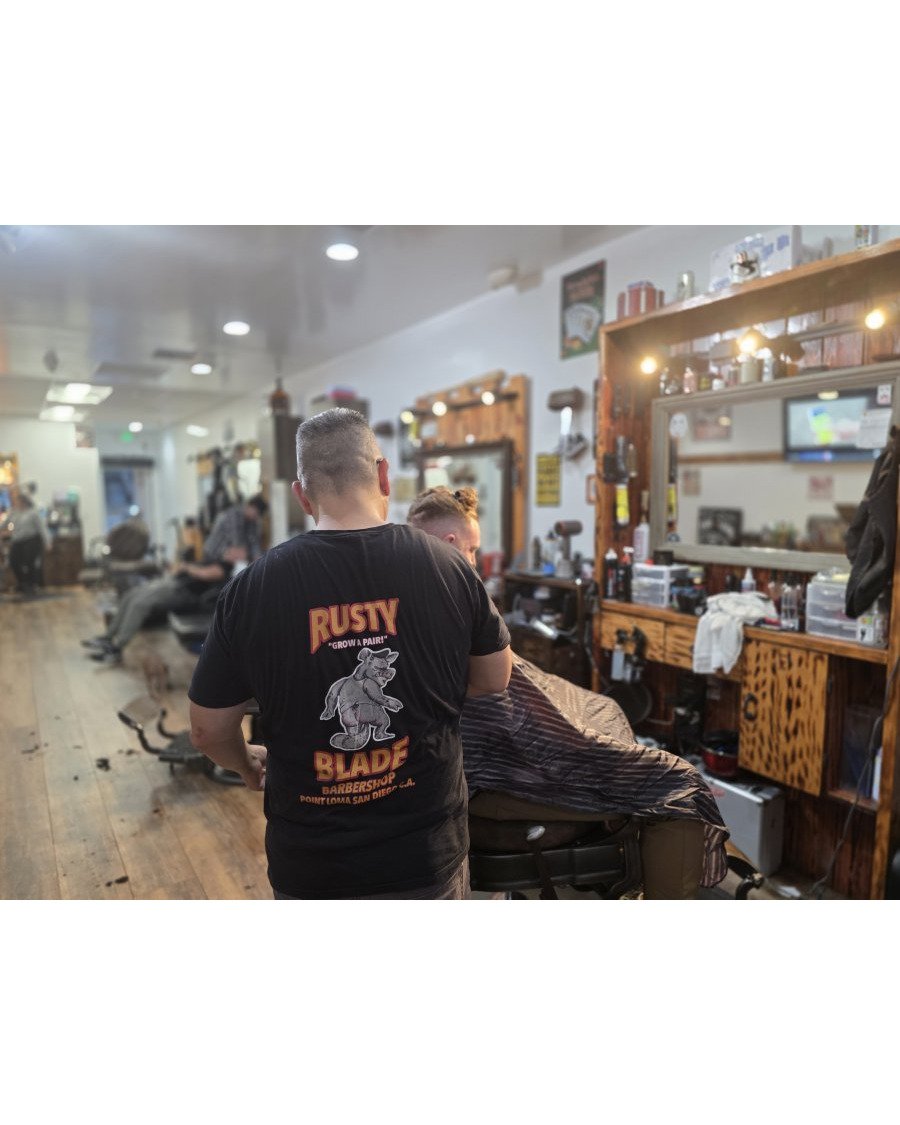
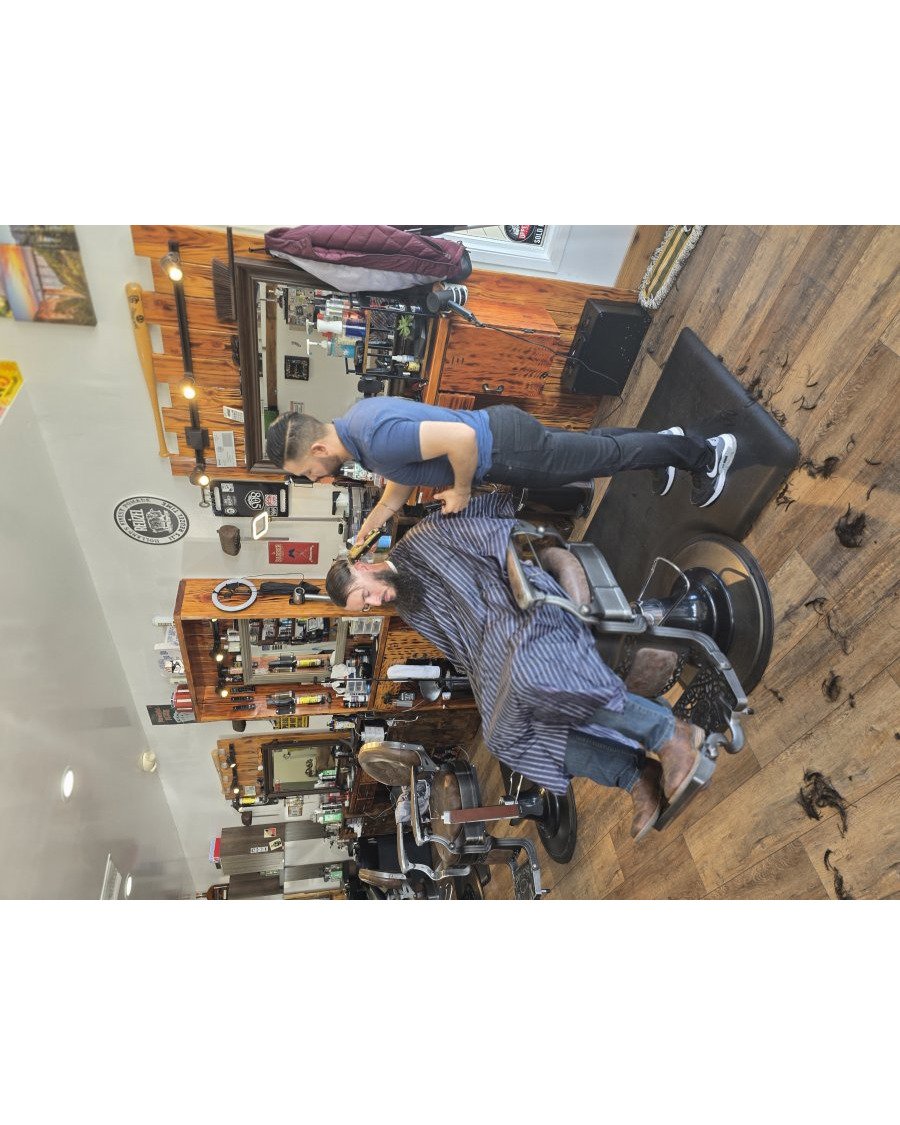
Sensitive skin doesn't mean you can't have a sharp, clean shave. The right preparation, technique, and products make all the difference. At Rusty Blade Barber, our barbers specialize in precision shaving for men with reactive skin. We use hot towel techniques, fresh blades, and professional-grade products designed to soothe rather than irritate. Book your appointment today and experience a shave that leaves your skin feeling comfortable and protected, not raw and irritated.

Comments