


Professional vs Casual Grooming: Key Differences Explained

Quick Summary
Professional grooming is a precision service performed by a trained barber in a dedicated shop, while casual grooming is the routine you handle yourself at home with a basic trimmer. Both keep hair neat, but professional grooming produces sharper, longer-lasting shapes and usually costs more and takes longer per session.
Professional grooming builds new shapes like fades and tapers, while home grooming mainly maintains an existing cut.
A typical professional cut takes 30 to 45 minutes plus travel and waiting.
Home grooming sessions take 5 to 15 minutes and cost almost nothing once tools are bought.
Dull blades cause pulling, irritation and uneven lines, so keep them sharp.
A sensible hybrid routine pairs a professional cut with short home neckline cleanups between visits.
Ready for a sharper cut?
Precision haircuts, skin fades and hot towel shaves in a vintage-inspired shop.
Table of Contents
What Professional and Casual Grooming Actually Mean
Last Updated: November 24, 2026
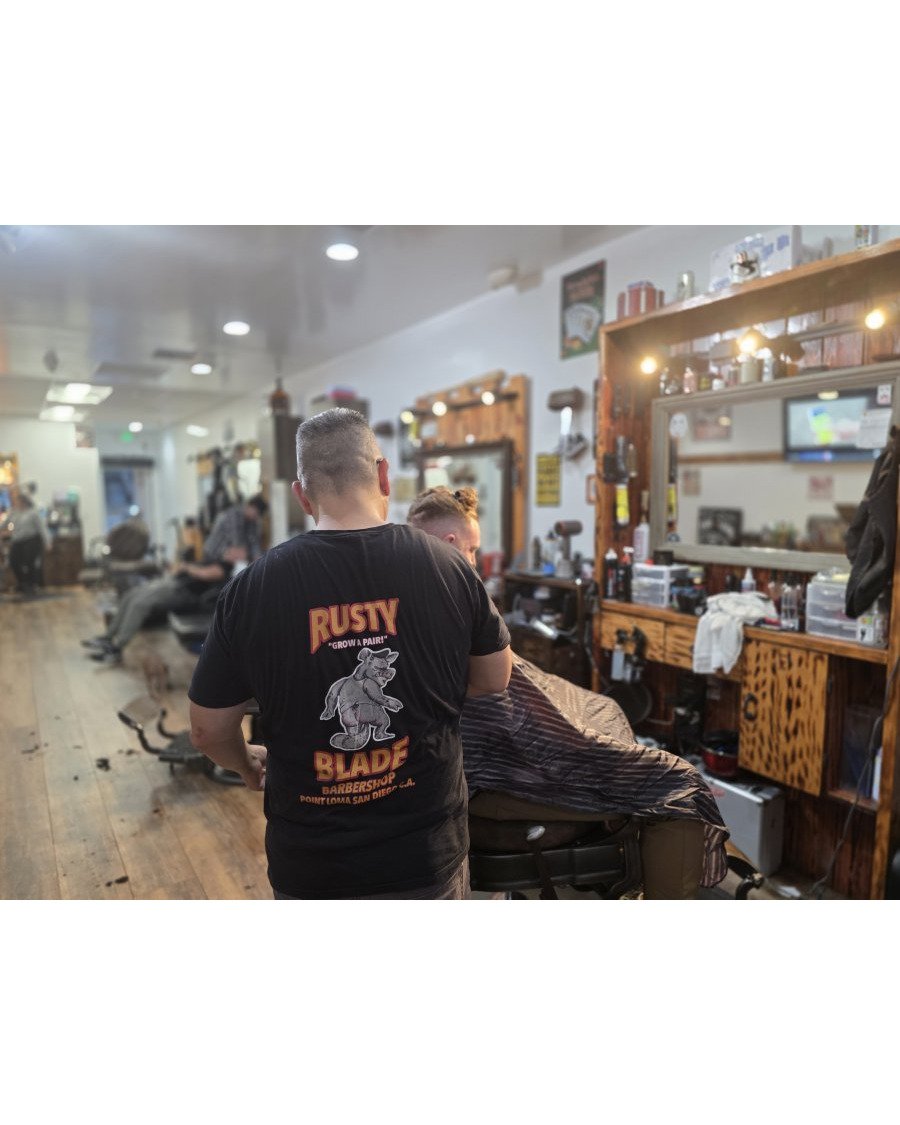
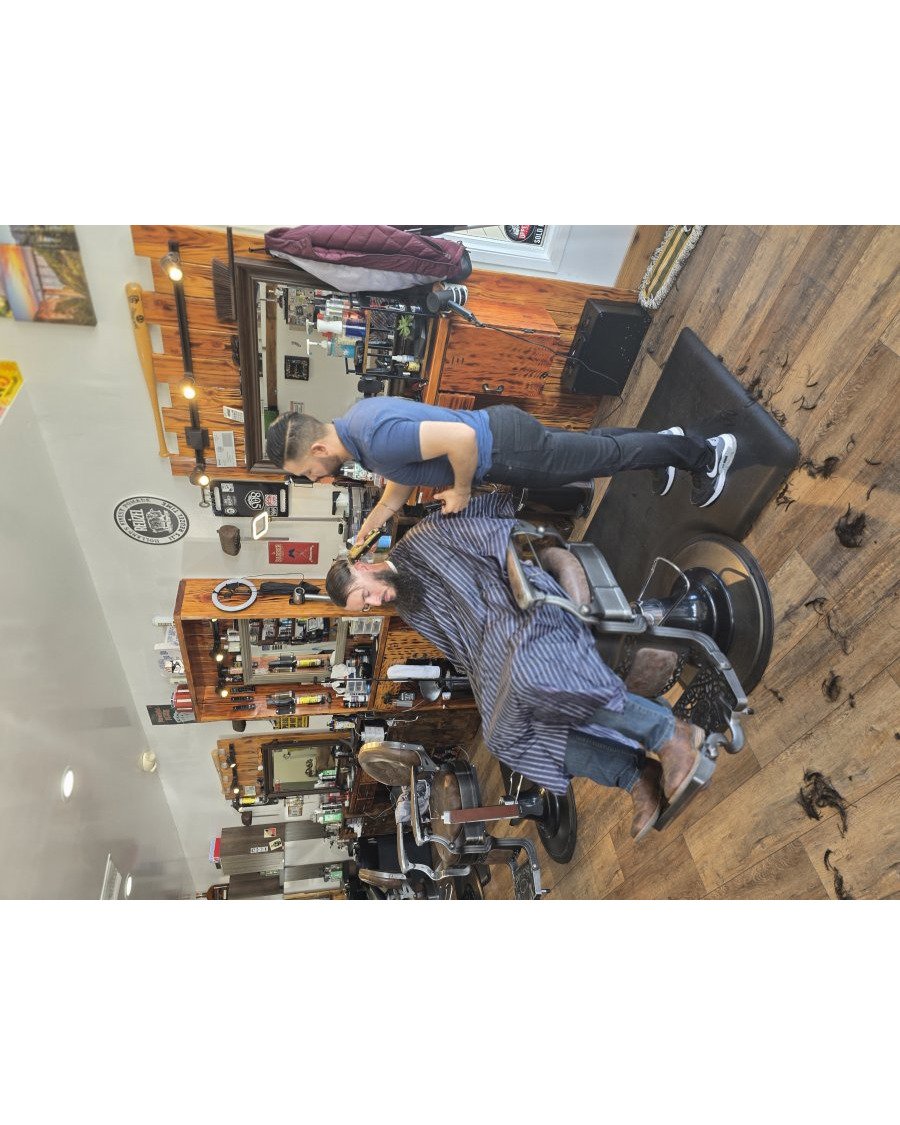
Professional grooming is a service performed by a trained barber in a dedicated shop, using a set of tools and techniques built around precision. Casual grooming is the routine you handle yourself at home with a basic trimmer, a mirror and a few minutes.
The difference is most clearly seen in the details. A professional cut shapes the line at the neckline and temples, blends the transition between lengths, and sets the fade so it holds its shape for longer. Home grooming usually maintains a cut you already have. It rarely builds a new one from scratch.
The gap is not about talent alone. A barber works with many guards, clippers and razors, and sees a wide range of head shapes, hair textures and growth patterns. That experience shapes many decisions, from where a part should sit to how much weight to leave on top.
Casual grooming still has a real place. A quick trim between appointments keeps the neckline clean and extends the time before your next visit. The point is to understand what each approach does well, so you can choose the right one for a given week.
Skill, Training and Tools: Where the Gap Shows Up
Most of the difference comes down to skill. Professional barbers often train through formal apprenticeships or barber programs, then build speed and accuracy over years of daily work. That is hard to replicate at home.
Tools also set the two approaches apart. Professional shops generally use a mix of clippers, trimmers, shears and straight razors, each chosen for a specific job. Equipment is typically maintained, sharpened and cleaned between clients, which helps keep cuts clean and reduces irritation.
A common mistake is assuming the expensive tool is the one that matters most. In practice, technique and sharp blades do more for the result than any single gadget.
Professional grooming tools versus what you keep at home
Professional shops often rely on several tools that most people never buy:
Adjustable clippers with multiple guard sizes for graduated lengths
Taper and detail trimmers for clean edges and necklines
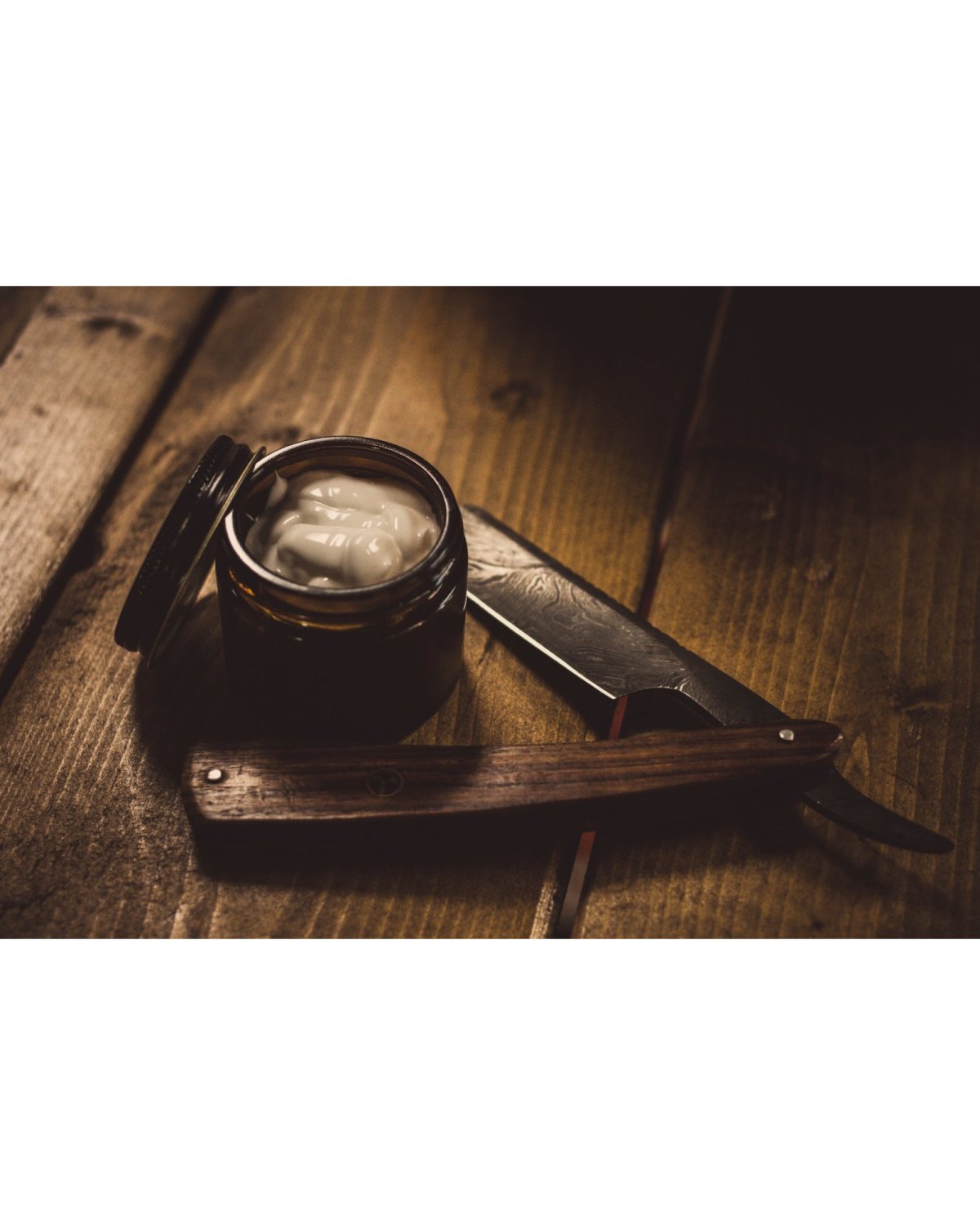
Straight razors and safety razors for shaves and precise line work
Shears for scissor-over-comb cuts on longer hair
At home, most men use a single rechargeable trimmer, a basic set of guards and perhaps a disposable razor. That setup works well for maintaining a short cut. It is less suited to creating a skin fade or a sharp hairline. If you want a clean result at home, start with a trimmer that has a fine-adjusting lever and sharp, well-oiled blades.
What to Expect at a Professional Grooming Appointment
A professional appointment often starts with a consultation. A barber typically asks how you want the cut to look, how much time you spend on styling and how fast your hair grows. Be specific about the look you want. Bring a reference photo if you have one.
Next comes the cut itself. Expect the barber to check the sides, back and top, then build the shape in stages. A full service may include a neck or shoulder cleanup, and some shops finish with a styling product matched to your hair type.

Shaves generally follow a similar pattern. A hot towel softens the beard, pre-shave oil or cream protects the skin, and the razor passes with the grain first, then across or against it depending on the area.
Plan for your appointment to take a while, and longer if you add a shave. Booking ahead helps keep your time predictable. Contact Rusty Blade Barber or visit its website for current booking details.
Professional Grooming Benefits Compared With Casual Upkeep
The main benefit of professional grooming is consistency. A skilled barber repeats the same shape each visit, so your look stays sharp longer. Lines stay crisp, fades blend cleanly and the overall silhouette holds together.
Professional grooming can be gentler on the skin when performed with care. Experienced barbers work with the direction of hair growth and aim to avoid nicks around the neckline.
Casual upkeep wins on convenience and flexibility. You can trim in five minutes whenever it suits you, and the cost per session is low. For men who want a simple, tidy look between cuts, home maintenance is often enough.
Best for: Men who want a precise, long-lasting shape and a relaxed shave. Skip if: You only need a quick neckline tidy between visits.
Cost, Time and Results: A Side-by-Side Comparison
Cost is where the two approaches diverge most. A useful way to judge the trade-off is to look at what you spend in a year, not what you spend in a single session. Pricing depends on the service, timing and other factors, so confirm current rates directly with Rusty Blade Barber or on its website.
Professional grooming, annual view. Annual spending on professional grooming depends on how often you book and which services you add, such as shaves and specialty work. Multiply your expected number of visits by the current rate for the services you choose, and remember to factor in tipping.
Casual grooming, annual view. Home grooming costs depend on the tools you choose and how long they last. Dull blades can pull hair, and lower-cost trimmers may need replacing sooner than higher-quality models.
Time, honestly counted. A professional appointment takes time in the chair plus travel and waiting, so budget accordingly.
Results lifespan. A well-executed fade holds a clean edge for a period before growth softens the blend. Home touch-ups can extend that time, but each pass carries a risk of uneven lines.
Factor | Professional Grooming | Casual Grooming at Home |
Time per session | 30 to 45 minutes plus travel | 5 to 15 minutes |
Cost per session | Roughly $25 to $60 for a standard cut | Near zero after tools are bought |
First-year cost | About $600 to $1,300 with shaves and tips | About $100 to $230 |
Ongoing annual cost | Same range, rising with frequency | About $50 to $110 for blades and consumables |
Precision | High, with sharp lines and blended fades | Moderate, best for maintenance |
Skin comfort | Usually gentler with experienced hands | Depends on technique and blade condition |
Results lifespan | 10 to 14 days of clean edge | Shorter, needs frequent touch-ups |
Watch out: a dull blade is a common cause of pulling, irritation, and uneven lines, so keeping blades sharp matters.
The right comparison is not professional versus home in the abstract. It is how many visits a year your look actually requires, and whether home upkeep can carry the weeks in between without visible drift.
How Often to Get a Professional Haircut
Frequency depends on the cut, your growth pattern, and how much home upkeep you are willing to do. Many men book a professional haircut every few weeks, but the useful version of that advice is a schedule you can actually keep.
By cut type. A skin fade or tight taper shows growth within a short time, so it usually needs regular visits to stay sharp.
By growth pattern. Men with coarse, fast-growing hair or strong cowlicks often need the shorter end of the range.
A hybrid schedule many men find practical. Rather than choosing professional or casual grooming outright, treat them as two layers of the same routine:
Week 1: Professional cut. Leave the shape alone.
Week 2: Home neckline and ear cleanup only, five minutes with a detail trimmer.
Week 3: Second home cleanup if needed, plus a check of the sideburn line.
Week 4: Professional cut again, or stretch to week five if the fade still reads clean.
That rhythm can help keep the look sharp between full services, and it gives you a clear rule for when home work is enough and when it is not.
Signs you are overdue. The neckline looks uneven, the fade loses its clean edge, the sides begin to look shaggy against the top, or you find yourself adjusting the front in the mirror more than usual.
Watch out: stretching a fade too long can make the correction at the next visit take longer than a regular maintenance visit would have.
A recurring appointment, set at the interval that matches your cut, removes the guesswork. Pair it with a five-minute home cleanup in the weeks between, and the shape stays consistent without turning grooming into a daily project.
Booking Your Next Cut at Rusty Blade Barber
If you want a precise, carefully finished cut, Rusty Blade Barber is ready to help. The shop offers a vintage-inspired space that blends traditional techniques with modern style to shape each cut around your hair and your routine. Start by book a classic barbershop haircut at Rusty Blade Barber, and tell your barber how you want the look to feel.
For a clear guide to timing your next visit, read How Often Should Men Get a Haircut? A Barber's Guide before you book. If you are weighing how long the appointment takes, How Long Does a Professional Haircut Take in 2026? covers what to plan for.
Booking is simple. Our walkthrough for scheduling a barber appointment online explains how to choose a time that fits your schedule. If you are looking for the best men's haircuts in San Diego, see the top-rated men's haircut options at Rusty Blade Barber.
Ready for a sharper look? Get started with Rusty Blade Barber and walk out with a cut that holds its shape.
Frequently Asked Questions
Is professional grooming worth it?
For most men the answer depends on how much a sharp, consistent look matters to them and how often they need it. A professional haircut or skin fade is built around the client's head shape, hairline and growth pattern, which casual trims at home rarely match. Compared with a quick do-it-yourself session, a booked appointment at a barbershop also includes a second set of eyes on the back and sides, which is where most at-home mistakes show up. Whether the cost of each visit is worth it comes down to how many weeks a cut lasts and how often you'd otherwise need to fix a bad trim.
What should you ask for at a professional grooming appointment?
Describe the result you want in specific terms: the length on top, the guard number or fade height on the sides, and where the taper should start. Bring a photo if you have one, and mention how much time you want between visits so the cut is shaped to hold. For beard work, say whether you want a line-up, a full shape or a hot towel shave. Ask the barber what they recommend for your hair type and how to style it at home, since a good appointment should leave you knowing how to maintain the look.
How often should you get a professional haircut or grooming service?
Most men with a short taper or skin fade book a cut every two to three weeks to keep the line crisp, while longer styles can often go four to six weeks. Beard line-ups usually need touching up more often than the cut itself. Booking on a regular rhythm helps you avoid the awkward stretch when the shape has grown out but a full appointment feels like too much. Ask your barber to help you set a schedule that fits your hair growth and your calendar.
Can casual grooming maintain a professional-looking style?
Casual grooming can keep a professional look between appointments, especially with a few simple habits: a light trim of the neckline, a regular beard tidy-up and a styling product suited to your hair. What it usually can't do is correct shape, blend a fade cleanly or fix uneven sides. Think of home grooming as maintenance and a professional cut as the reset that gives the style its structure.
Comments