


How to Decide If Paying More for a Haircut Is Worth It

Table of Contents
Why Haircut Prices Vary So Much
Wondering why some shops charge more? When it comes to pay more haircuts, the answer depends on time, skill, and the business behind the chair, and not every price difference reflects better quality. Two cuts at very different prices can both look fine on a good day. The gap usually comes down to what goes into the service and what the shop has to cover to keep its doors open.
Most of the variation starts with how long the work takes. Thick hair, longer lengths, and detailed shapes take more time and more attention. When you are paying for a barber's time, the job's complexity matters as much as the haircut's name.
Here is where many people get confused: the price tag rarely shows what is happening during the appointment, which is why people who pay more haircuts often feel they are getting something they cannot see from the chair. A low price may mean a fast, standardized cut. A higher price may include a consultation, careful sectioning, and finishing work that you cannot see from the chair. Knowing what sits behind the number helps you decide whether the difference is worth it to you.
How hair length and cut complexity change the time required
Length is the easiest factor to understand. Longer hair takes more time to cut, comb, and check for balance. A barber working on a few inches of hair on the sides and back is doing less work than one shaping a longer style on top.
Complexity matters even more. A clean fade with sharp lines around the ears and neckline takes precision that a basic one-length cut does not. Every extra detail adds minutes, and those minutes add up. If you want a cut that holds its shape for weeks, expect the shop to spend more time getting it right.
Time is not the only factor, but it is the one you can measure. Ask how long a given service takes at a shop you are considering. A shop that books longer appointments for detailed work is usually spending its time where it counts.
Why Are Haircuts Expensive? A Breakdown of the Costs
A haircut price covers far more than the few minutes a barber spends with the clippers. Rent, equipment, products, insurance, and training all get built into what you pay. Understanding this breakdown makes it easier to tell whether a higher price reflects real costs or just a premium label.
The clearest way to see where your money goes is to think in terms of cost per chair hour. A shop has to cover its fixed costs whether one person sits in the chair or ten do, so the price of each service has to absorb a share of the day's overhead. When you compare two shops, you are often comparing two different cost structures, not two different levels of skill.
Rent, tools, products, and overhead
Location is one of the biggest costs. Rent and utilities are part of any shop's overhead, and that expense ends up in the service price. If you're weighing a budget option, you can see what a quick, affordable neck clean up delivers at this shop.
Here is a simple way to picture the build-up. Imagine a shop with one chair and a fixed pool of monthly costs. A shop that books longer appointments produces fewer cuts per day, so each cut has to carry more of that pool. That is one reason a detailed service can cost more.
Labor is the next layer. A barber's time has a market rate, and that rate reflects experience, local demand, and the shop's reputation.
Taxes and regulation add another layer, and the specific costs depend on where a shop operates.
Pro Tip When you compare prices, ask what the shop includes rather than assuming the cost goes straight into the barber's pocket. A shop that explains its pricing in terms of time, products, and service scope is usually the one charging fairly.
Keep in mind that these costs vary widely from shop to shop, and no single figure applies everywhere. The point is not to memorize a formula but to recognize that a higher price usually reflects a heavier cost structure, more time, or both.
Stylist experience, training, and attention to detail
Experience affects price because skill affects results. A barber with years of practice usually handles tricky hair with more confidence. To see that standard firsthand, you can book a detailed classic haircut and judge the craftsmanship yourself.
Attention to detail is harder to measure but easy to notice once you have seen the difference. A barber who checks symmetry, asks about your preferences, and cleans up the neckline carefully is working through more steps than one who rushes through the cut. Those extra steps are part of what you are paying for.
A useful way to judge whether the experience premium is real is to look at how the barber handles the consultation. Experienced barbers tend to ask about your routine and what you disliked about past cuts.
Cheap vs. Expensive Haircuts: What the Difference Actually Is
A cheaper haircut is not always a bad haircut, and an expensive one does not guarantee a great result. The real difference tends to show up in consistency, precision, and how the appointment is handled from start to finish.
The most useful comparison is like-for-like. Two shops may both advertise a "haircut," but the service behind that word can differ a lot. Comparing the sticker price without comparing the scope is how people end up disappointed in both directions.
What is actually included at each price point
At the higher end, the appointment usually includes a fuller consultation, a wash and scalp care, a precision cut with more sectioning and checking, styling with product, and aftercare advice. Some shops also build in a follow-up adjustment window. The price is higher, but so is the scope.
Key Takeaway The fair question is not "why does this cost more?" but "what does this price include that the cheaper one does not?" Compare scope first, then price.
How to judge value before you book
A few practical checks help you decide whether a higher price is worth it. Look at a shop's recent work in photos and video, and pay attention to whether the examples match the service you want. When you're ready to book, you can choose a haircut and beard trim directly.
When you visit, notice whether the barber asks about your routine and past cuts. A good consultation is one of the clearest signals that the higher price is buying judgment and time, not just a label. A reader who wants a sharp cut plus a relaxing wash can book a haircut and shampoo from the same shop.
Consider your own priorities too. If you want a sharp fade every two weeks, detail and consistency matter more than the lowest price. If you prefer a simple cut you can maintain yourself, a less expensive option may serve you well. The right answer depends on what you are actually buying.

The table below compares what each price point typically includes, so the decision rests on scope rather than the sticker price.
Price point | What is typically included | Key difference |
Lower price | Fast, standardized cut | Less time on detail |
Higher price | Fuller consultation, wash and scalp care | More sectioning and checking |
Higher price | Precision cut with styling and product | More finishing work |
Higher price | Aftercare advice, possible follow-up adjustment | Broader service scope |
What Makes a Good Haircut, and How to Spot One Before You Book
A good haircut looks balanced from every angle, matches the style you asked for, and holds its shape between visits. Before you book, you can check several things without spending money.
Look at a shop's recent work. Photos on a shop's website or social media show what its barbers can actually produce. Read reviews that mention specific services rather than general praise. Notice whether the shop describes its process clearly, including consultation, cutting time, and finishing steps.
When you visit, watch how the barber works. Good barbers ask questions about your hair, your routine, and the look you want. They check the cut with a mirror and make small adjustments before finishing. If the appointment feels rushed or the barber skips the details you care about, the price may not be worth it.
Consider your own priorities too. If you want a sharp fade every two weeks, detail and consistency matter more than the lowest price. If you prefer a simple cut you can maintain yourself, a less expensive option may serve you well.
Do Women's and Men's Haircut Prices Differ, and Is That Fair?
Some salons charge women more than men for similar services, and critics call this gender-based pricing unfair. Salons often defend the difference by pointing to longer hair, more styling time, and more products. Those reasons can apply in some cases, but not in all of them.
The fairest approach is to price by the work itself. A short cut on a woman and a short cut on a man should cost about the same when the time, skill, and products are similar. Longer hair and more involved styling can justify a higher price regardless of gender.
If you notice a price gap, ask the shop how it sets prices. A transparent shop can explain what changes between services. A shop that cannot answer clearly may be charging more simply because the service is marketed differently.
How Often You Need a Haircut Changes the Real Cost
A higher price per visit can cost less over time if it means you need fewer visits. The real measure is cost per month, not cost per cut.
Consider a cut that holds its shape for four weeks versus one that looks rough after two. If the first costs more but lasts twice as long, your monthly cost may be similar or lower. Factor in how often you need touch-ups, not just the sticker price.
Your schedule also matters. Some people need a fresh cut every two weeks to look their best. Others can stretch appointments to six or eight weeks. Work out how often you realistically visit and compare totals across a year. That calculation often makes the value of a better cut much clearer.
Booking Your Next Precision Cut at Rusty Blade Barber
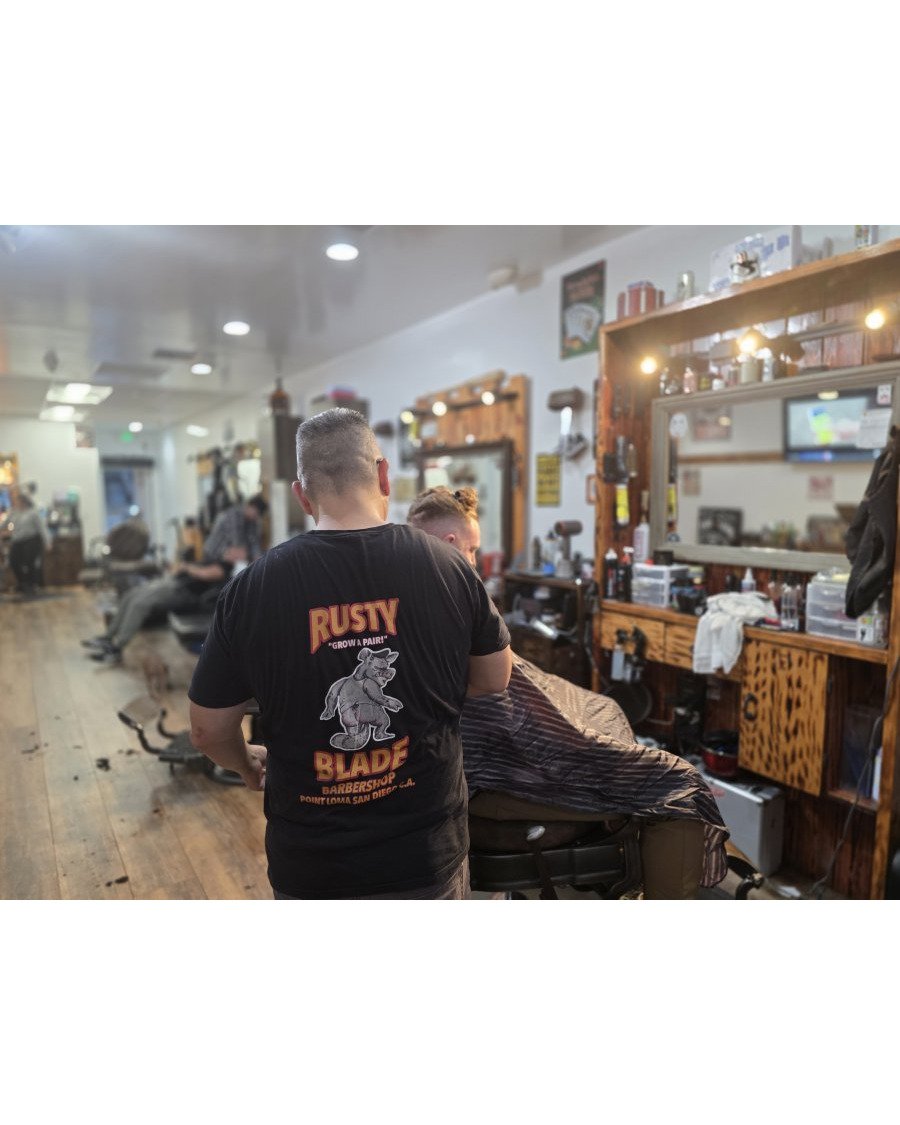
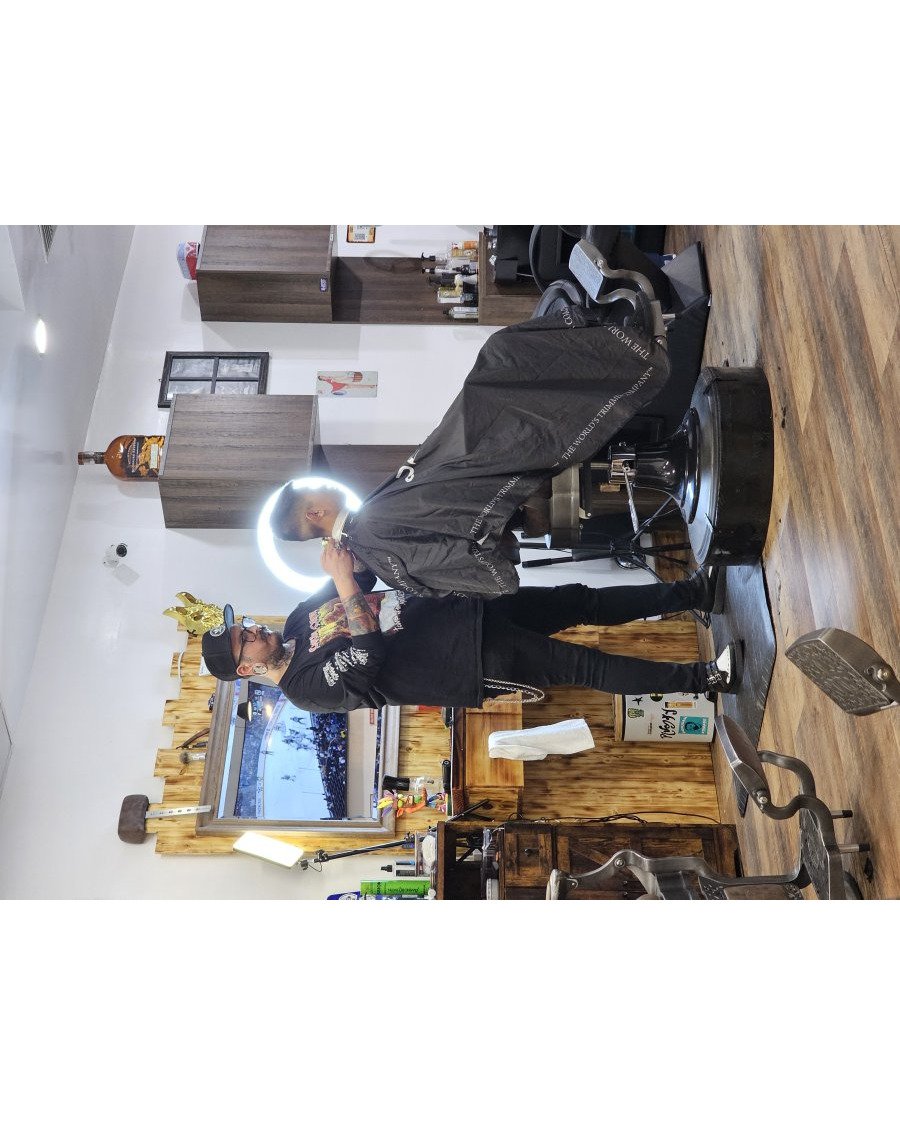
At Rusty Blade Barber, we focus on precision cuts, skin fades, and detailed grooming in a relaxed, vintage-inspired shop. We take the time to understand your style before we start, so the result fits you.
If you want to judge the value yourself, book a precision cut and see the detail firsthand. Visit our website to review current services and pricing, or book your next appointment.
Frequently Asked Questions
Is it worth paying more for a haircut?
It can be, but only when the extra cost buys something you can see and use. A higher price can reflect a more experienced stylist and more time spent on the cut. If your current haircut already looks sharp and grows out evenly, paying more adds little. Judge value by the result after two to three weeks, not by the price on the menu.
Why does it cost more to cut long hair?
Long hair takes more time to cut, section, and finish, so the appointment runs longer and the stylist spends more labor on it. Cut complexity matters too. Layering, texture work, and balancing length around the face add steps that short, uniform cuts do not require. Because pricing often reflects time in the chair, longer or more detailed cuts usually cost more than a simple short cut.
What should a good haircut include?
A good haircut usually starts with a conversation about your hair type and how you style it. The stylist should check the shape from several angles and leave the cut balanced on both sides. Ask what product or tool will help you maintain the look at home. A cut that matches your routine is worth more than one that only looks good in the chair.
How much should you tip for a haircut?
Many clients tip around 15 to 20 percent of the service price in the United States. Tipping is usually expected when the barber or stylist has given personal attention and a finished look. If you pay more for a precision cut, tipping at the higher end of that range is a common way to recognize the extra time and skill involved.
Comments