


Best Beard Grooming Products for 2026: Oils, Balms and Tools

Quick Summary
The best beard grooming products for 2026 are beard oil for softness and conditioning, balm for shape and light hold, and a gentle wash for cleansing. Most men need oil at minimum, adding balm for longer or harder-to-control beards.
Beard oil moisturizes the beard and the skin underneath, helping with dryness and itch.
Choose balm for longer beards that need shaping, since it adds hold that oil lacks.
Wash beards two to three times per week rather than daily to avoid stripping natural oils.
Patch test any new leave-on product on the inner forearm for 24 to 48 hours first.
Trim beard edges every two to three weeks to keep lines sharp.
Need help choosing the right beard products?
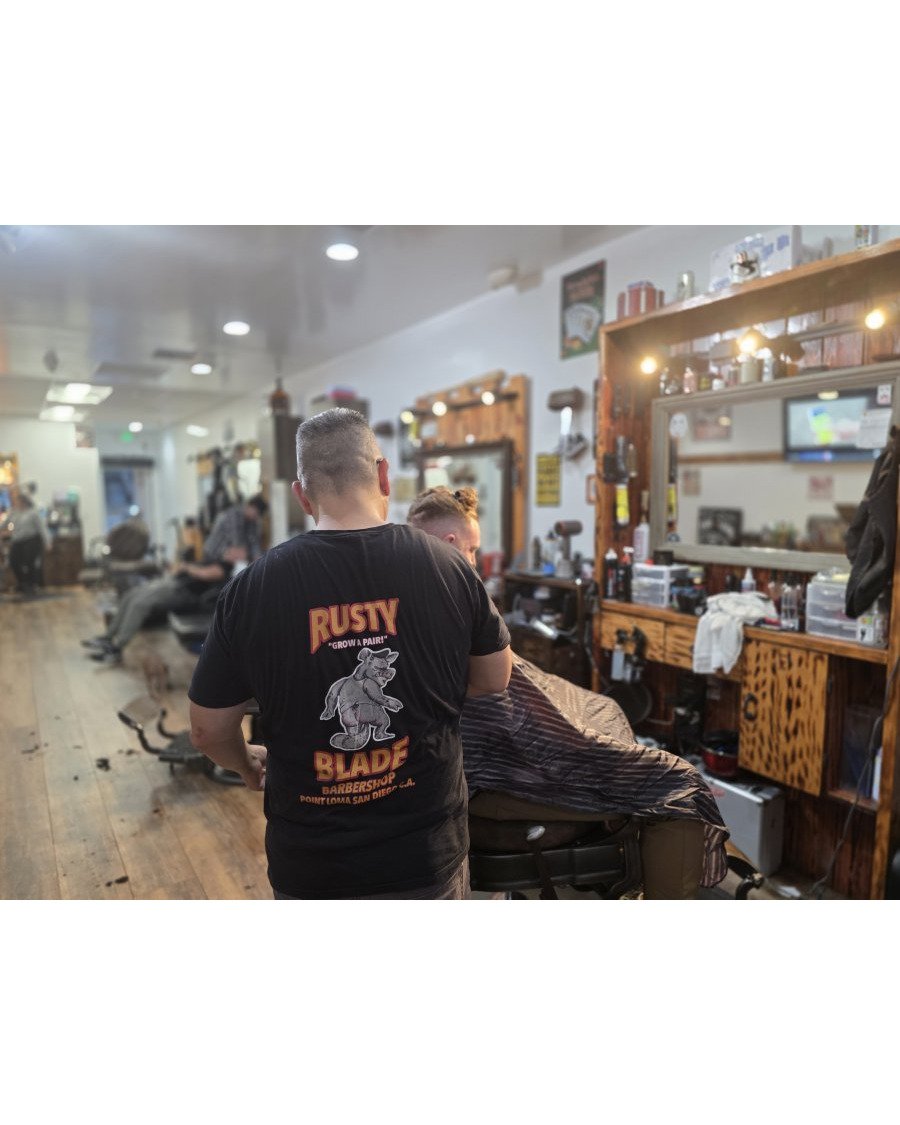
Rusty Blade Barber offers precise beard trims and personalized grooming advice in San Diego.
Table of Contents
How We Chose These Beard Grooming Products
Last Updated: November 8, 2026

Choosing the best beard grooming products for 2026 starts with knowing what your beard actually needs. If you want to compare professional options too, read our guide to the best beard grooming services. Most men buy oil, balm and wash without a plan, then wonder why nothing seems to work.
Beard oil is the most common starting point. It moisturizes the beard hair and the skin underneath, which helps with dryness and itch. Balm adds hold and shape, so it suits longer beards or beards that need to be styled.
Best Beard Oils for Softness and Conditioning
For softness, beard oil is usually the first product to try. A light oil with conditioning ingredients helps tame coarse hair and reduces the feeling of dryness.
Beard Oil vs Beard Balm: Which Do You Need?
Oil moisturizes and softens. Balm does the same and adds light hold for shaping. If your beard is short and dry, start with oil. If your beard is long or hard to control, a balm will likely serve you better, and some men use both.
Beard Balms, Washes and Styling Hold
Balms and washes are where most beard-care routines quietly fail, because men buy them as afterthoughts. Balm is a leave-in styling product; wash is a rinse-off cleanser. They do different jobs and should be judged by different criteria.
What a balm actually does
A balm is oil plus a wax or butter (commonly beeswax, candelilla wax, shea butter, or lanolin) that gives the oil enough body to hold a shape.
Application matters as much as formula. Applying balm to a damp beard helps it spread; applying to a bone-dry beard tends to leave visible residue.
Watch out: Balms with a high wax content can build up at the skin line if you do not wash regularly, which is a common cause of flaking that gets misattributed to dry skin.
What a wash actually does
A beard wash is a surfactant system, the same basic chemistry as shampoo, designed to lift sebum, sweat, and product residue. The trade-off is straightforward: stronger surfactants clean more thoroughly but strip more of the natural oils that keep the skin barrier intact.
Look at the ingredient list rather than the front label. "Sulfate-free" is a marketing claim, not a guarantee of mildness; some sulfate-free cleansers use other anionic surfactants that are equally effective at stripping oils.
Named products and what to check
When comparing balms, check three things in this order: the wax or butter used (beeswax holds firmer, shea butter feels softer), the carrier oils (lighter oils suit fine hair, heavier oils suit coarse hair), and the fragrance load (a strong scent is the most common reason men stop using an otherwise good balm).
Balm vs wash vs oil at a glance
Oil: moisture and softness, no hold, applied to skin and hair.
Balm: moisture plus light-to-moderate hold, applied to shape and tame.
Wash: cleansing only, rinsed off, used two to three times per week.
If you use all three, the order is wash, then oil, then balm, oil first so it reaches the skin, balm last so it sits on the hair and holds the shape.
Beard Trimmers, Brushes and Combs
Tools matter as much as products. A trimmer keeps edges clean and lines consistent. A brush or comb distributes oil evenly and removes tangles.
Choose a trimmer with adjustable length settings if you change beard length often. Cordless models are easier to use at home. For brushes, a boar-bristle brush spreads oil well, and a wide-tooth comb helps with detangling.
If you want a precise result, a professional trim is often worth the cost. Rusty Blade Barber offers precision trims and expert grooming; book your appointment to get started.
Building a Beard Care Routine That Works
Products work best as a routine. A simple sequence looks like this:

Wash the beard two to three times per week with a gentle wash.
Dry the beard fully, then apply a few drops of oil to the beard and skin.
Use balm on longer beards to shape and hold.
Brush or comb daily to spread product and keep hair aligned.
Trim edges every two to three weeks to keep lines sharp.
If you prefer a professional, book your appointment and use the routine above in between visits.
Ingredients, Sensitivities and Cost Per Use
Most roundups list ingredients and mention scent, but few give you a system for deciding whether a product is safe for your skin or worth its price. This section does both, because those are the two questions readers actually ask after they have a shortlist.
Reading a beard product label like a formulator
Beard products are built from four functional groups, and knowing which group a ingredient belongs to tells you more than the marketing copy:
Carrier oils (jojoba, argan, squalane, grapeseed, sunflower): these do the moisturizing. Jojoba and squalane are closest to the skin's own sebum and tend to feel light; argan and sunflower are heavier and suit coarse hair. Castor oil is thick and adds shine but can feel tacky in high concentrations.
Butters and waxes (shea, cocoa, beeswax, candelilla): these add occlusiveness and hold. They seal moisture in rather than adding it, which is why they work best over an oil or a damp beard.
Surfactants (in washes): these clean. The milder the surfactant system, the less oil it strips.
Fragrance and essential oils: these provide scent and, in some formulas, mild preservative or antimicrobial support. They are also the most common source of contact reactions in leave-on products.
A short ingredient list is not automatically safer, and a long one is not automatically better. What matters is whether the formula contains a known irritant for your skin and whether the carrier oils match your hair texture.
Sensitivity triage: a step-by-step approach
Start fragrance-free. Fragrance, whether listed as "fragrance," "parfum," or a blend of essential oils, is the most frequent trigger for irritation in leave-on beard products. A fragrance-free oil or balm is the safer first purchase if you have a history of reactions.
Patch test before full application. Apply a small amount to the inner forearm and wait 24 to 48 hours. This is the standard approach dermatologists recommend for any new leave-on product and costs you nothing but time.
Introduce one product at a time. If you start oil, balm, and wash in the same week and react, you will not know which one caused it. Space new products two weeks apart.
Watch for essential-oil reactions specifically. Tea tree, peppermint, eucalyptus, and citrus oils are common in beard products and are also common sensitizers. A product can be "natural" and still cause contact dermatitis.
Distinguish irritation from dryness. Itch and flake can come from a reaction (redness, stinging, rash at the contact site) or from dryness (tightness, flaking without redness). The first calls for stopping the product; the second calls for more moisture, not less.
Cost per use: the comparison most roundups skip
Upfront price tells you almost nothing about value, because beard products are used in tiny amounts. A few drops of oil per application means a small bottle can last months, while a large tub of balm used daily can run out faster than its price suggests.
To compare fairly, estimate cost per use:
Oil: roughly 3 to 6 drops per application. A 1-ounce bottle typically yields several hundred applications, so a higher-priced oil can still be the cheaper option per use if the bottle is larger or the formula is more concentrated.
Balm: a thumbnail-sized amount per application. A 2-ounce tin typically lasts one to three months with daily use, depending on beard length.
Wash: used two to three times per week, so a single bottle often lasts several months, which makes a gentler, slightly more expensive wash a reasonable value if it prevents irritation.
The formula is simple: divide the price by the estimated number of applications in the container. Do this for two or three candidates in each category and the "budget" pick often turns out to be the mid-priced one, not the cheapest.
Matching ingredients to your specific concern
Dryness and itch: prioritize carrier oils (jojoba, squalane, argan) and avoid high-wax balms applied directly to the skin.
Unruly or coarse hair: a balm with beeswax or a heavier butter gives more control than oil alone.
Sensitive or reactive skin: fragrance-free, short ingredient lists, and a patch test before regular use.
Product buildup: a gentle wash used two to three times per week, plus a boar-bristle brush to distribute oil and lift residue.
If shaving causes irritation alongside beard care, learn how to prevent razor burn with simple steps that work well with the products above.
The table below summarises the main sensitivity and cost-per-use guidance from this section.
Concern | Recommended approach | Key note |
Reactive skin | Start with a fragrance-free product | Fragrance is the most common leave-on trigger |
New product | Patch test on inner forearm | Wait 24 to 48 hours before full use |
Multiple new products | Introduce one at a time | Space new products two weeks apart |
Essential oil reaction | Watch for tea tree, peppermint, eucalyptus, citrus | Natural products can still cause contact dermatitis |
Dryness and itch | Prioritise jojoba, squalane or argan carrier oils | Avoid high-wax balms applied directly to skin |
Oil cost per use | About 3 to 6 drops per application | Larger, concentrated bottles can be cheaper per use |
Balm cost per use | Thumbnail-sized amount per application | A 2-ounce tin lasts one to three months with daily use |
Wash cost per use | Used two to three times per week | A bottle often lasts several months |
Book Your Next Grooming Session at Rusty Blade Barber
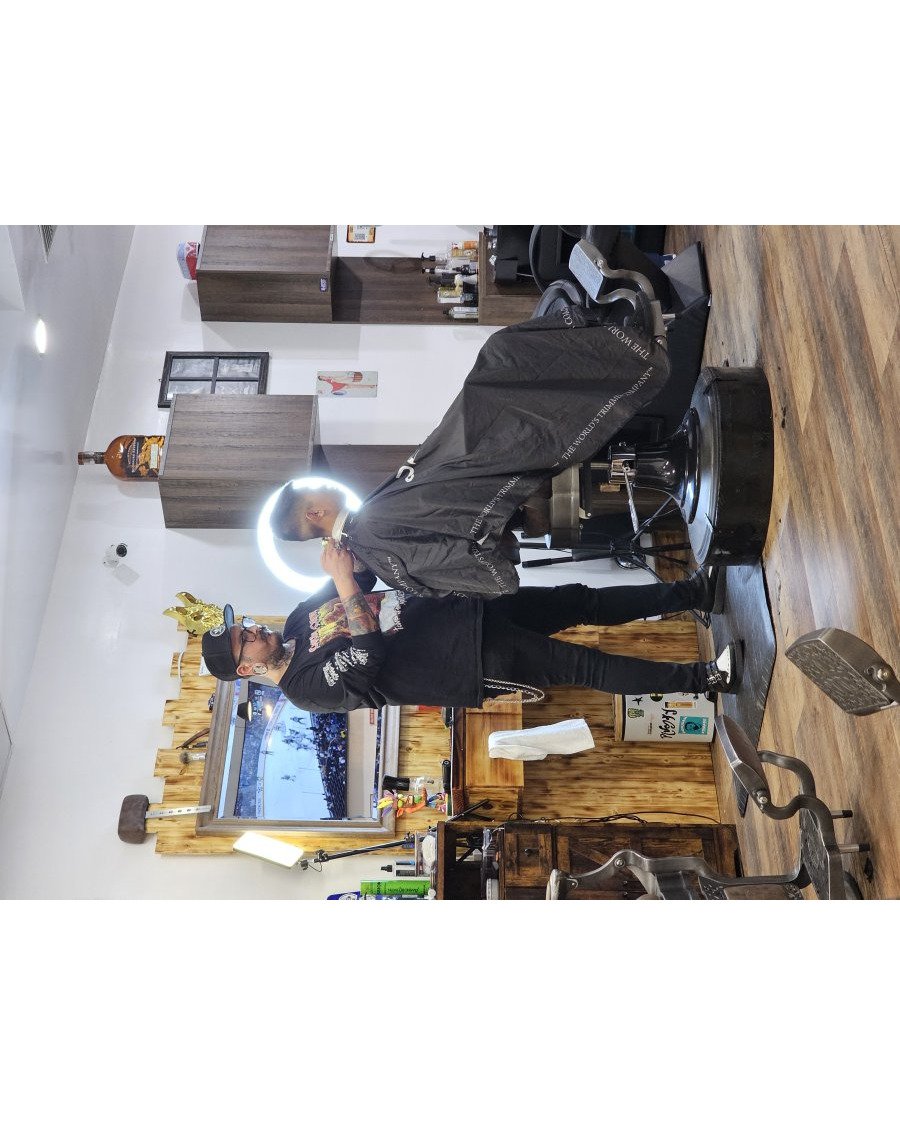
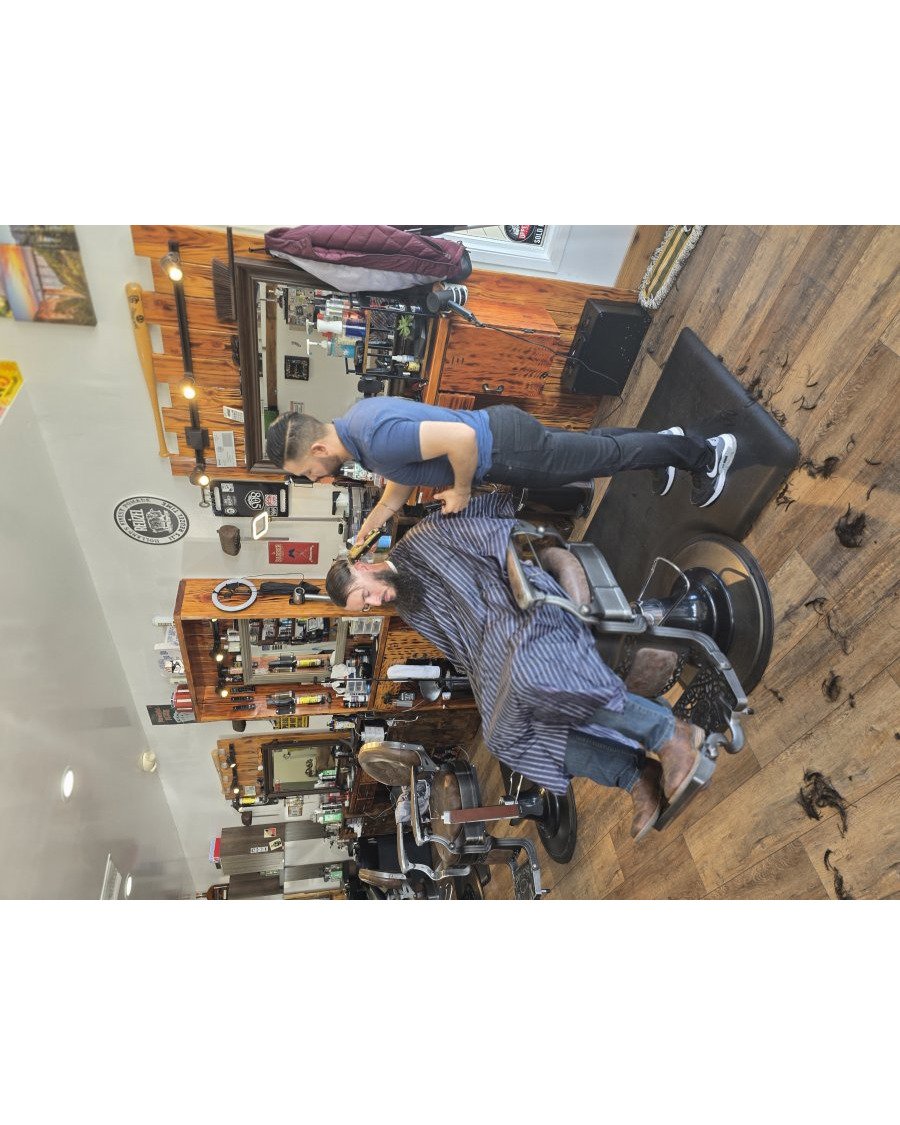
Choosing products is only part of good grooming. At Rusty Blade Barber, our barbers combine precision trims, hot towel shaves and skin fades in a relaxed, vintage-inspired space. Book your appointment today.
For more grooming tips and trends, browse our blog for practical advice.
Frequently Asked Questions
Should you use beard oil or beard balm?
Beard oil is a liquid that conditions the beard and the skin underneath, which helps soften coarse hair and reduce dryness and itch. Beard balm is thicker, usually made with wax or butter, and holds the beard in place while adding some conditioning. Most men with longer beards benefit from using oil daily and balm when they need hold or shape. Shorter beards often do well with balm alone. Start with one product, adjust based on how your skin and hair respond, and avoid heavy layering that can leave residue.
How often should you wash your beard?
Most men do well washing their beard two to three times a week with a gentle beard wash or shampoo. Washing daily can strip natural oils and worsen dryness or itch, while washing too rarely can let dirt, sweat and flakes build up. Rinse thoroughly, pat dry, and follow with a small amount of beard oil on damp hair to lock in moisture. If your skin is sensitive, choose a fragrance-free wash to reduce irritation.
What tools do you need to trim and shape a beard?
A basic beard kit includes a trimmer with multiple length guards for even shaping, a pair of scissors for longer hairs, and a comb or brush for grooming. Cordless trimmers with adjustable length settings are practical for home maintenance. A boar bristle brush helps distribute oil and train hair direction, while a wide-tooth comb detangles before trimming. Keep tools clean and sharpened to avoid pulling hair or irritating the skin.
What is the best way to deal with beard itch and dry skin?
Beard itch usually comes from dry skin underneath the hair, so regular washing with a gentle cleanser and daily use of a conditioning beard oil are the most effective first steps. Brushing the beard distributes natural oils to the skin. Avoid harsh soaps and products heavy in alcohol or strong fragrance. If itch persists for several weeks or comes with redness or flaking, consult a dermatologist, since it may be a skin condition needing treatment.
Comments