


7 Reasons Precision Cutting Is Worth the Price in 2026

Last Updated: October 26, 2026
Quick Summary
Precision cutting is worth the price when the shape still reads at day 10-14, because a precision cut typically lasts four weeks while a standard clipper cut collapses around day 10. The higher ticket is offset by fewer correction visits and less daily restyling time.
A precision haircut typically takes 45 to 60 minutes, versus 20 to 30 minutes for a standard clipper cut.
A precision cut every 4 weeks can cost less per week than a standard cut every 2 weeks.
Restyling a cut that won't sit flat costs 5-10 minutes every morning, over two hours a month.
Skip precision if you get cut weekly, wear a hat most days, or are testing a new look.
Ask for a precision scissor cut by name and confirm scissors shape the bulk, not just the finish.
Table of Contents
What Precision Cutting Actually Means (And Why It Costs More)
Precision cutting is a haircut built section by section with scissors and comb, where every strand is measured against the shape of your head and the way your hair actually grows.
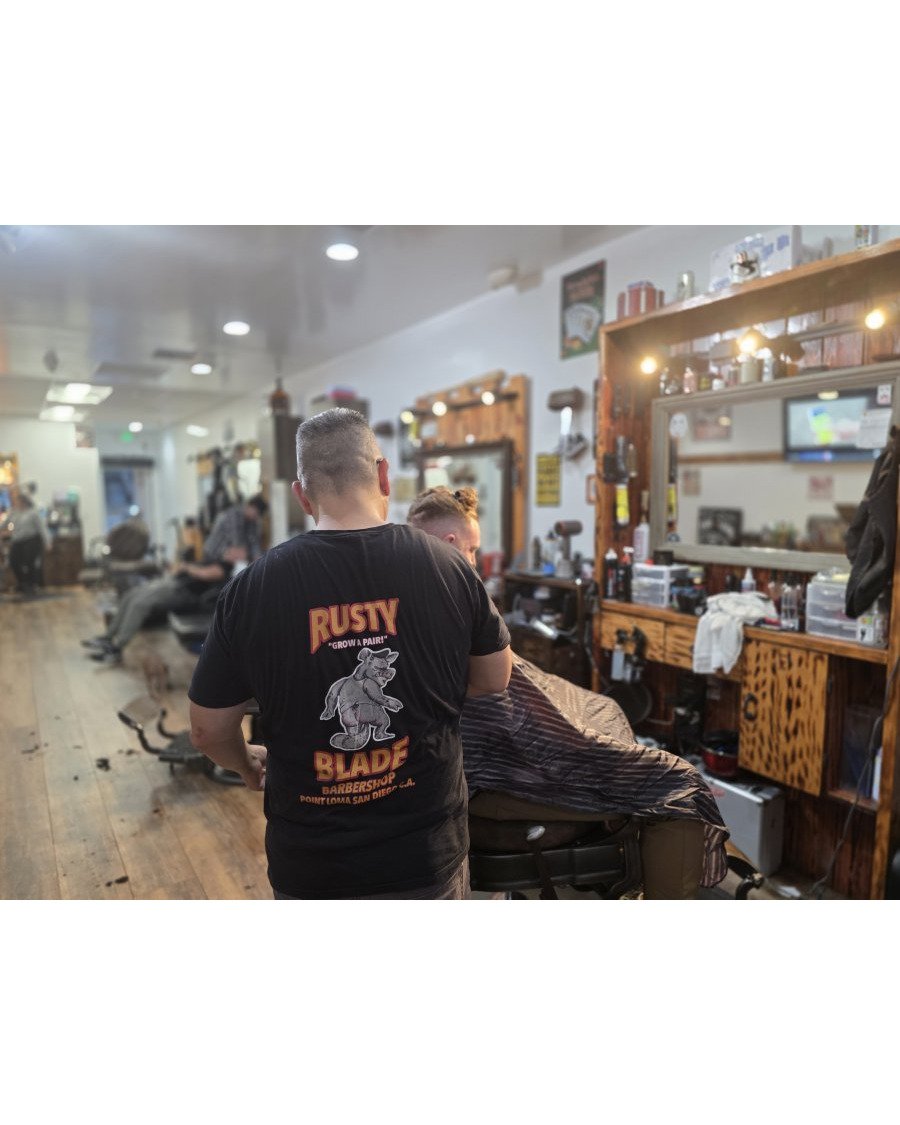
At Rusty Blade Barber, we explain it to clients this way: a regular cut removes bulk, while a precision cut builds a shape. You can book a scissor haircut with our first available barber to see the difference for yourself.
That distinction matters because most price objections are really shape objections. Men rarely mind paying more for a cut they can still see two weeks later. They mind paying more for a cut that looks like every other cut.
Precision Haircut vs Regular Haircut: The Real Differences

A regular haircut is clipper-led and volume-focused. A precision haircut is scissor-led and shape-focused. That single difference in tooling drives everything else: how long the appointment runs, how much skill it demands, and how the finished cut ages.
Cut Quality and Accuracy
Clippers cut everything in their path to a set length. Scissors cut only what the barber intends to cut. Precision work lets a barber blend a fade into the top without a visible line, soften a cowlick instead of fighting it, and match a side part to the direction your hair naturally falls. The result is a cut that looks intentional from every angle, including the back of your head, which is the angle you never see and everyone else does.
Time, Labor, and Skill
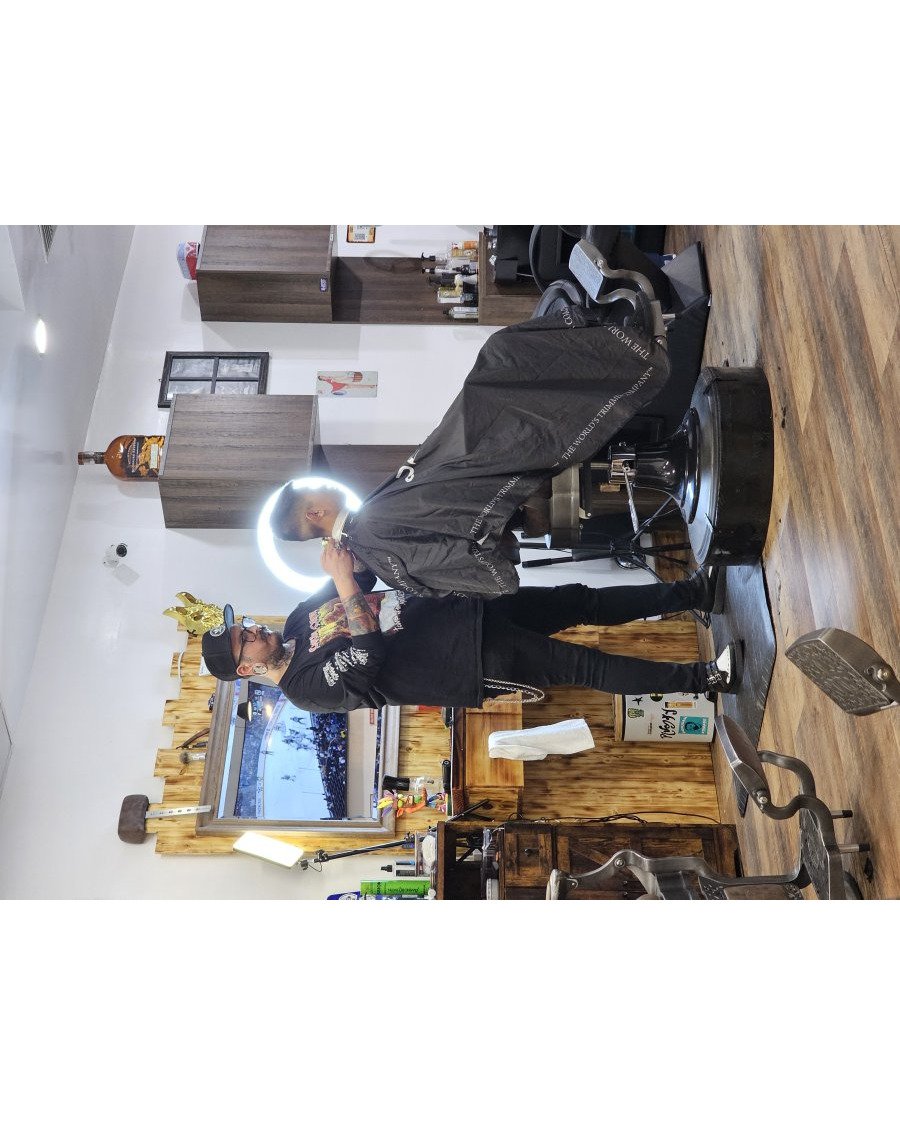
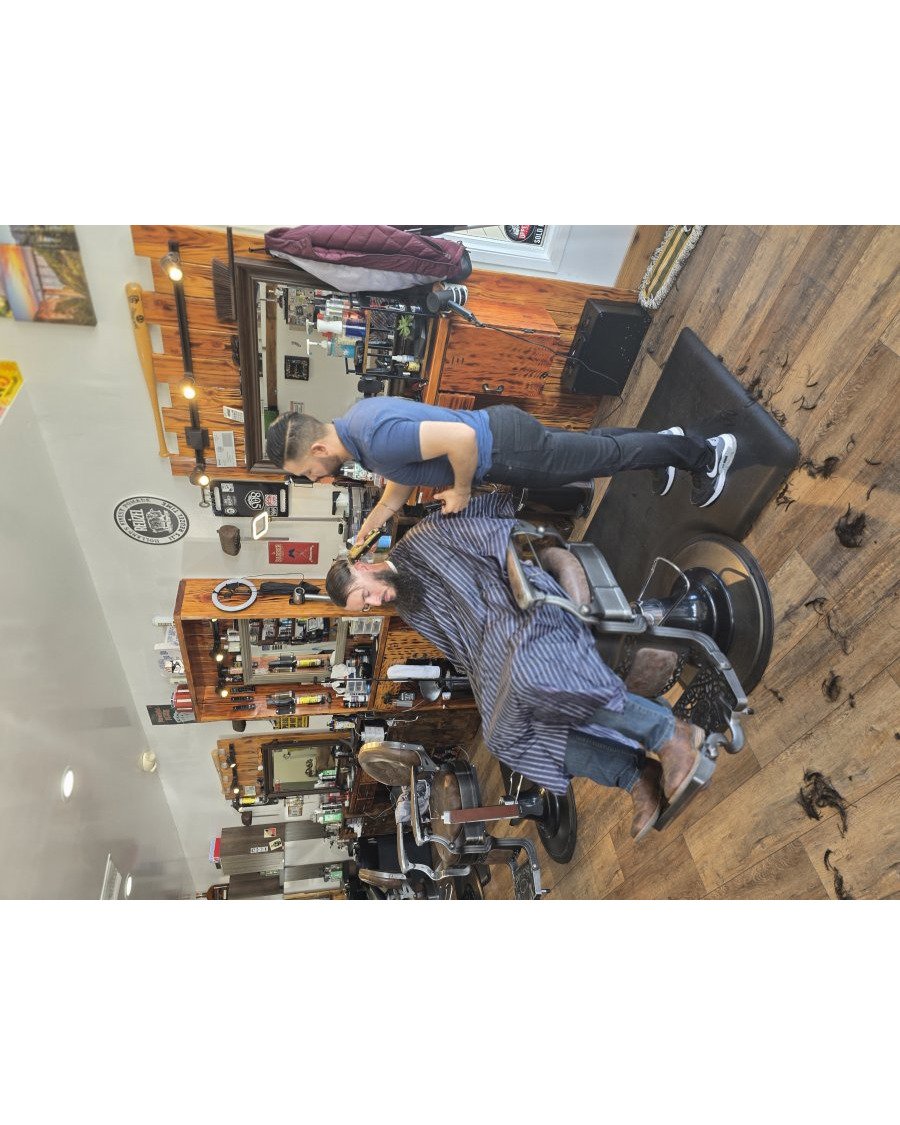
Precision cutting takes longer because it cannot be rushed. A barber working this way is checking the cut repeatedly, cross-referencing both sides, and adjusting weight distribution as the shape emerges. That is skilled labor, and skilled labor costs more per hour. If you want the fuller comparison of what separates a premium service from a standard one, our breakdown of premium vs standard barbershop services walks through it in detail.
How Long Does a Precision Haircut Take?
A precision haircut typically takes 45 to 60 minutes, compared with 20 to 30 minutes for a standard clipper cut. The extra time is consultation, sectioning, cross-checking, and finishing, not idle chat.
That time estimate answers the objection we hear most: "I don't have hours to sit in a chair." You don't need hours. You need one longer appointment that holds its shape, instead of two short ones that don't.
Price Breakdown: What You Pay For and What It Saves You
Precision cutting costs more per appointment than a standard cut, and the honest way to judge it is total cost of ownership, not the ticket price. A standard clipper cut and a precision scissor cut are not the same product, so comparing their menu prices alone tells you almost nothing. Compare what each costs you across a full quarter, including the correction visits, restyling time, and product waste that a cheaper cut quietly adds.
Here is where the money actually goes, and what each line item buys you:
What you pay for | What it covers | What it saves you |
Consultation time | Mapping growth patterns, cowlicks, and your at-home routine | A cut you can actually style yourself |
Scissor work | Section-by-section shaping and invisible blending | Visible lines, ledges, and uneven patches |
Cross-checking | Comparing both sides, the crown, and the back | A correction appointment somewhere else next week |
Finishing | Detailing edges, neckline, and part | A cut that survives past week two |
Skill premium | A barber trained in scissor-over-comb and point cutting | Repeat visits to fix a rushed result |
Total cost of ownership, not just the ticket
A precision cut is a higher upfront cost with lower downstream cost. The standard cut is the reverse. Run the math on your own rhythm:
Standard cut every 2 weeks: two tickets per month, plus a higher chance of a mid-cycle cleanup because the shape collapses around day 10.
Precision cut every 4 weeks: one ticket per month, and the shape is still readable at day 21, so the cleanup is optional rather than mandatory.
The hidden line item: restyling time. A cut that won't sit flat costs you 5-10 minutes every morning. Over a month, that is hours of your life you do not get back.
Most practitioners find the break-even lands around the third or fourth week: that is when a standard cut has lost its outline and a precision cut has not. If you routinely stretch appointments past three weeks, the precision ticket is usually the cheaper option per week of good-looking hair.
What precision actually means, measurably
"Precision" is not a vibe. Ask a barber to define it and you should hear measurable criteria:
Blend tolerance: no visible line or ledge between the fade and the top when viewed from arm's length.
Symmetry: both sides cross-checked against each other, not cut independently.
Weight distribution: bulk removed where the hair grows heaviest, weight left where the shape needs it.
If a shop cannot describe precision in those terms, you are paying a premium for a label.
Key Takeaway Judge the price against a full cycle, not a single visit. A precision cut that holds for four weeks can cost less per week of good-looking hair than a cheap cut you have to correct twice.
Break-Even by Usage: When Precision Cutting Pays Off
Precision cutting pays off when your appearance has to hold up between appointments. It pays off less when you get cut every ten days anyway. The break-even is not a single number, it depends on how often you sit in the chair and how much the shape matters while you are out of it.
The three usage profiles
Occasional (every 4-6 weeks). You stretch appointments and let the shape do the work. This is where precision wins most clearly: a standard cut is visibly shaggy by week three, while a precision cut still reads as intentional. The higher ticket is offset by needing fewer correction visits.
Regular (every 2-3 weeks). You refresh often enough that the shape never fully degrades. Precision still helps, the blends are cleaner and the cut ages better, but the per-week premium is smaller because you are buying the same result more often.
High-frequency (weekly or every 10 days). You never let the shape fall apart, so the marginal benefit of precision is lowest here. A standard cut refreshed constantly can serve you fine. Precision is a finish upgrade, not a value play.
A simple break-even test
Ask yourself three questions:
How many weeks between appointments? If the answer is three or more, precision is usually the better value per week.
Does the shape need to survive a camera, a client meeting, or an interview? If yes, the cost of a collapsed cut is higher than the ticket difference.
How much time do you spend restyling a cut that won't cooperate? Five minutes a morning is over two hours a month, often more than the price gap.
Who should skip it
Be honest about the cases where precision is not worth the price:
You get cut weekly and treat the barber as maintenance, not styling.
You wear a hat or helmet most of the day and the shape is rarely seen.
You are experimenting with a new look and may change it in two weeks anyway.
Pro Tip Book the precision cut before a stretch where you need to look sharp, a job interview, a wedding, a client-facing month, and book the standard cut when you are heading into a quiet stretch. Match the spend to the stakes.
The professional case
Clients in client-facing roles, on camera, or in interviews tend to land firmly in the occasional-to-regular group. The cut is doing professional work, and it should be priced like it. For those clients, the break-even is not about saving money on haircuts, it is about avoiding the cost of looking unkempt at the wrong moment.
How to Ask a Barber for a Precision Haircut
Ask for a precision cut by name, then describe the shape you want and how you style it at home. Vague requests get vague results, and that is the fastest route to feeling like you overpaid.
Use this script:
"I'd like a precision scissor cut, not a clipper cut. I want the sides tight but blended, the top long enough to style with a bit of movement, and a clean neckline. Here's a photo of what I mean. My hair grows forward on the left side, so please work with that."
Then confirm three things before the cape goes on:
The barber will use scissors for the bulk of the shape, not just the finish
You have agreed on how long the top should be
You have shown a photo of the result you want
A good barber will ask you questions back. That conversation is part of what you are paying for.
Common Mistakes That Make Precision Cuts Feel Not Worth It
The most common mistake is asking for precision and then asking for it to be finished in fifteen minutes. Those two requests cancel each other out.
Watch out: bringing a photo of a completely different hair type and expecting an identical result.
Other repeat offenders:
Skipping the consultation, then being surprised the shape isn't what you pictured
Letting a different barber "clean it up" between appointments without knowing the original plan
Judging the cut on day one instead of day ten, when precision work actually proves itself
Precision cutting is worth the price when the cut is allowed to be precision cutting. Rush it and you have paid premium rates for a standard result.
Book Your Precision Cut at Rusty Blade Barber
The question "is precision cutting worth the price" has a simple test: look at your cut on day twelve. If it still has a shape, you got your money's worth.
Rusty Blade Barber is a private, vintage-inspired shop where precision haircuts, skin fades, and hot towel shaves are the standard, not an upgrade. You can also find our barbershop near Liberty Station before you book. If you want to see the service itself, you can book a scissor haircut with our first available barber, or check the full range of barbershop haircut services we offer.
Frequently Asked Questions
Is a precision haircut worth the extra cost?
For most men who care about how their cut holds shape between visits, yes. A precision haircut costs more because it takes longer and demands more skill, but the payoff shows up as cleaner lines, better grow-out, and fewer touch-ups. If you want a cut that still looks intentional two or three weeks later, the extra spend tends to earn itself back in time and consistency.
What is the difference between a precision haircut and a regular haircut?
A regular haircut follows the basic shape you ask for and finishes quickly. A precision haircut works section by section, checking cutting accuracy, blend lines, and how the hair falls on your head shape. The barber adjusts for growth patterns, cowlicks, and hair type, so the finish looks sharper and holds longer. It is the same haircut on paper, executed with more care and time.
How long does a precision haircut take?
Plan for roughly 45 to 60 minutes, sometimes a bit more for a first visit or a complex fade. The time goes into consultation, sectioning, blending, and detail work. A regular cut often runs 20 to 30 minutes. If you are booking before an event or a work week, add buffer time to your schedule so the appointment does not feel rushed.
How should I ask a barber for a precision haircut?
Bring a photo and describe the finish you want, not just the length. Say something like, I want a skin fade with a hard part and clean lines that hold for two weeks. Mention your hair type, how you style it, and any trouble spots like cowlicks. Ask how the barber plans to blend the sides. A good barber will repeat the plan back before starting.
Your next cut will either hold its shape or it won't, and that outcome is decided in the chair, not on the price list. Get started with Rusty Blade Barber and book a precision appointment built around your hair, your routine, and the look you actually want to keep.
Comments